How embracing play might be the missing lever in your business strategy
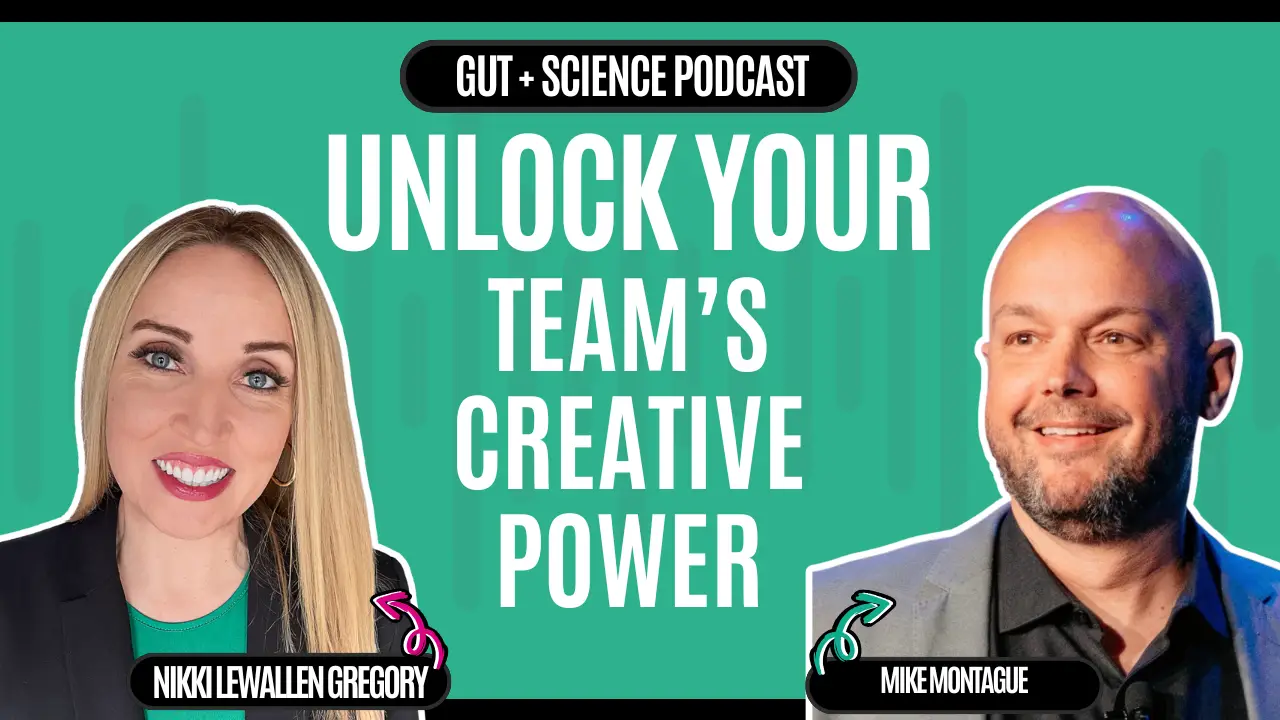
Imagine this: what if the thing we often dismiss as “cute,” “extra,” or even “unprofessional” in our businesses, play was actually one of the strongest levers for growth, resilience, and high performance? I recently sat down with the Gut + Science podcast to unpack this, and I can’t wait for you to hear it. Before the episode drops, here are some of the biggest lessons and “aha” moments I believe every small and medium-sized business should hold close.
What We Uncovered
1. Play is not the opposite of work; it amplifies work
Too many business leaders treat play like it’s a luxury. A reward. Something you get after the grind. But what if I told you that play is part of the work? It fuels creativity, resets our mental energy, and makes the work more meaningful. When you allow space for play, you don’t lose focus; you sharpen it.
2. There are different kinds of work, and each needs a different type of play
Physical work, marketing/creative work, emotional or customer-facing work: each of these demands different rhythms. For instance:
- Marketing/director roles often live in intellectual and creative work. Too much straight-line output without breaks can lead to mental fatigue.
- Emotional labour in selling, customer service, and team dynamics requires intervals of connection, empathy, laughter, and shared humanity.
- Physical or otherwise structured work needs bursts of joy, movement, or surprise to prevent monotony.
There’s no one-size-fits-all. It’s about matching the type of play to the type of work.
3. The Five P’s: Performance, Pause, Ponder, Play & Practice
In our conversation, I lean into a framework that I believe can transform how businesses (especially SMBs) structure their culture and their days:
- Performance — the drive, the execution.
- Pause — the intentional rest, not just when “you’re allowed,” but woven in.
- Ponder — reflection, feedback, learning.
- Play — experiment, fun, connection, humor.
- Practice — iterating, improving, holding consistency.
Prioritize more of the P’s beyond just Performance, and everything else scales up.
4. Autonomy and trust are essential
Forced fun is worse than no fun. If your team thinks that play or activities resembling play are another task on their checklist, you’ve lost. Let people choose their play. Let them experiment. Give control over when, how, and with whom. It cultivates real engagement, not compliance.
5. Play is an antidote to burnout and disengagement
We all talk about rest, boundaries, work-/life balance, but what if rest isn’t enough? What many SMBs and marketing teams experience but don’t always nameis the creeping burnout from constant output, deadlines, content schedules, and client demands. Play helps break the loop. It recharges more deeply, reminds us of meaning, restores energy, and even deepens creativity.
Why This Matters to SMB Owners & Marketing Directors
Because in SMBs, you wear many hats. You’re a strategist, executor, manager, sometimes even a janitor. The shape of your day is full. If you don’t build play into how you and your team operate, you’ll get grind fatigue. Mistakes creep in. Marketing feels stale. Teams retreat. And you burn out.
But when play is woven in:
- Teams are more creative. Campaigns come alive. Ideas that might never surface in stiff “serious” meetings show up.
- Retention improves. Happy teams stay. They show up. They want to do better.
- Innovation becomes less scary. When failure is allowed (and even celebrated), risk becomes less risky.
- You, as a leader, are sharper and more resilient. You’ll still have hard days, but fewer days dragged down by exhaustion or dread.
What You Can Do Now
To get started before the episode even drops:
- Micro-play moments: Start meetings with a two-minute off-script icebreaker. Tell a joke. Ask a weird question.
- Schedule “Ponder & Pause” blocks: Even just 30 mins a week where nobody is pushing deliverables, but reflecting. What worked? What flopped? What surprised you?
- Let your team lead the fun: Invite someone (or rotate) to design one fun activity per month creative brainstorm, gamified challenge, peer recognition, etc.
- Name burnout risk openly: Talk about what drains creativity. Normalize themes like overwork. Then build play as a deliberate response, not an afterthought.
- Measure differently: Capture not just campaigns launched or sales won but ideas generated, number of “safe failures,” mood in the team, creative spark.
What You’ll Gain
If this episode were a workshop, here’s what you’ll walk away with:
- A new mindset: work + play are allies, not opposites
- Practical tools you can apply this week in your marketing team or with your staff
- Frameworks (like the Five P’s) to help you audit how balanced your culture really is
- Stories & examples that will help you convince stakeholders (partners, funders, team members) that play is worth investing in
I’m really excited for this one to go live. If you lead a business, run marketing, or build culture, this episode is one you won’t want to miss.
Stay tuned, bring your curiosity, and let’s start playing so that work becomes more alive, more meaningful, more you.