AI can create marketing magic, but only when humans do the caring, thinking, and trust-building first.
Most AI marketing today feels like a magic trick. The first time you see it, you lean in. A chatbot writes a blog in 30 seconds. An agent books a meeting. A tool creates a video, a voiceover, a sales email, and a week of social posts before your coffee cools down.
For a moment, it feels like we found the shortcut.
Then you see the same trick again. The wonder fades. The audience starts spotting the wires. The “personalized” email feels suspiciously like every other “personalized” email. The “thought leadership” sounds like a LinkedIn smoothie made from everyone else’s leftovers. The sales follow-up has the warmth of a hotel keycard.
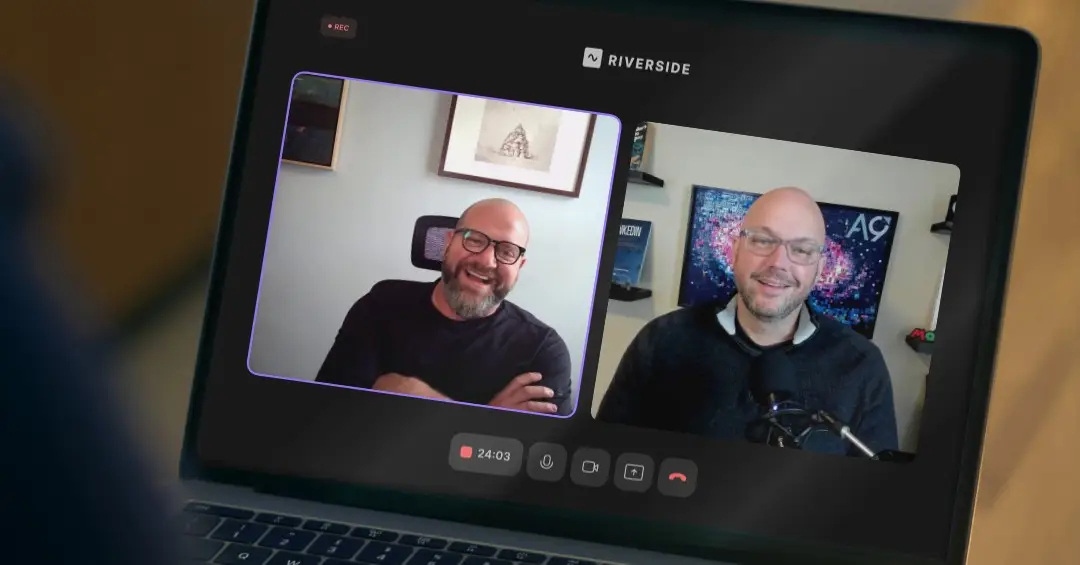
AI shortcuts wear out fast, while trust compounds. That was one of the themes I talked about with Dan Baird on the Burn The Map Podcast. Dan is the CEO of Wrench.ai, an AI platform designed to revolutionize onboarding, engagement, and retention.
The Magic Is Parents Who Care
On the podcast, I used a Santa Claus analogy, so please insert tiny elf earmuffs for the kids.
Santa works because parents care. The magic happens because someone made the list, checked it twice, listened closely, wrapped the gift, and showed up at the right moment. The wonder on Christmas morning comes from care, preparation, and love hiding behind the curtain.
That is exactly how great AI marketing works.
The magic comes from the human work behind the system. Someone has to build the right list, understand what buyers actually want, know when they are ready to act, and show up with relevance and generosity. AI can make the delivery feel magical. Human care makes the delivery matter.
AI Automation Without Trust Becomes a Sideshow
Every communication technology follows the same messy pattern.
The telephone gave us telemarketers. Email gave us spam. The internet gave us pop-ups, retargeting ads, and people calling themselves thought leaders because they posted three carousels before breakfast.
Now AI is giving us a new wave of automated outreach, AI-generated content, synthetic personalization, and agentic workflows that promise to remove friction from growth.
Friction has a job.
In marketing, the right kind of friction forces you to think. It makes you clarify your audience, your offer, your point of view, your promise, and your standards. It makes you decide what deserves automation and what deserves a human being.
When companies remove thinking from the process, AI makes the wrong work faster. That is how brands end up with more content, weaker trust, and a team quietly wondering why the machine is moving so quickly in no clear direction.
The Shortcut Economy Is Exhausting
Viral tricks are fun until everyone learns the trick.
On the podcast, Dan and I talked about emotion, novelty, surprise, relevance, and simplicity as ingredients that help ideas spread. Those ingredients matter. The problem comes when marketers start chasing novelty as the whole strategy.
Novelty expires. A magic trick loses power after the second showing. A joke lands once. A growth hack works until the audience recognizes the pattern.
Trust works differently. Trust grows when people experience your credibility, reliability, authenticity, and generosity over time. That means referrals, reputation, and real relationships still require the hard part: doing great work for real clients in a way they want to talk about.
AI can help you tell those stories more consistently. It can help you capture the insight, package the proof, repurpose the conversation, and personalize the follow-up.
The source material still has to be real.
The Iron Man Version of AI Marketing
One of my favorite ways to explain Human-First AI Marketing® is the difference between Terminator AI and Iron Man AI.
Terminator AI is the fantasy of autonomous replacement. Give the machine a mission, send it into the world, and hope it completes the task without torching your reputation.
Iron Man AI is a human wrapped in powerful technology. Tony Stark still makes the decisions. The suit gives him leverage, speed, information, protection, and reach. The human remains in control.
That is the model I want for marketing teams.
The strongest AI marketing strategy starts with a simple leadership question:
AI should make marketers, sellers, founders, and subject matter experts more capable. It should help them think faster, see patterns sooner, create more consistently, and show up with more relevance.
Which work should humans lead, which work should AI handle, and which work becomes more powerful when both work together?
The “Iron Man zone” is where humans set strategy, tell the story, and apply judgment while AI accelerates research, drafting, reporting, pattern recognition, and distribution.
The Messy Middle Is Where Leaders Win
Some tasks clearly belong with machines. Bomb disposal. Hazardous mining. Data entry. First-pass reporting. Pattern spotting across large datasets.
Some moments clearly deserve a human. A sales call with a nervous buyer. A customer apology. A strategic decision. A keynote. A referral conversation. An anniversary dinner, unless your relationship has a very generous warranty policy.
Most marketing work lives in the messy middle.
That is where leaders need a map.
At Avenue9, we use the A9^Factor Framework™ to put the work in the right order. Human-First Strategy comes first, because the business needs real buyer context, a clear brand voice, a useful point of view, and a compelling offer before asking AI to create anything. AI Marketing Systems come next, because tools only create value when they fit the work, the team, and the desired customer experience. Scalable Storytelling brings the system to life by capturing the conversations already happening inside the business: sales calls, customer wins, founder insights, objections, testimonials, and team expertise.
That order matters.
When humans set the direction first, AI becomes leverage. When teams skip strategy, AI becomes a confetti cannon in a broom closet.
Fun for a second. Hard to clean up.
Your Best AI Content Is Already Happening
A lot of companies sit down with AI and ask, “What should we post?”
That question often leads to generic content.
A stronger starting point is the real conversation already happening inside the business.
Sales calls reveal buyer language. Customer onboarding reveals fears, friction, and moments of relief. Founder stories reveal conviction. Client wins reveal proof. Internal debates reveal expertise. Support questions reveal confusion in the market. Podcast appearances, webinars, and interviews reveal the strongest ideas in the most natural voice.
This guest appearance is a perfect example.
One conversation created enough raw material for a full content system. It surfaced ideas about AI shortcuts, trust, agentic automation, the Iron Man model, referrals, context engineering, and the future of SMB marketing. The value was already there. AI simply helps turn the raw material into something structured, searchable, useful, and shareable.
That is Human-First AI Marketing® in action.
The Best AI Strategy Starts Before the Prompt
Most teams treat prompts like magic spells. They keep tweaking the words, hoping the next version finally produces the perfect output. The real upgrade comes before the prompt.
AI performs better when it has better context. It needs to know who you serve, what your audience cares about, what your brand believes, what your offer solves, what objections buyers have, what stories prove your value, what tone sounds like you, and what quality standards matter.
That is context engineering.
In the podcast, I described Avenue9’s work as helping SMBs tell their story better through context engineering, training AI to produce high-quality work in their voice, and keeping customers first.
That is how small and mid-sized businesses start to punch above their weight.
Big brands have big teams, big budgets, big agencies, and big data. SMBs have something many big brands have lost: direct access to the founder’s voice, customer stories, team expertise, and real relationships.
AI can amplify those assets beautifully when the system is trained on them.
The Human-First Test for AI Marketing
Before automating a marketing task, slow down long enough to ask whether it will increase trust with the buyer. Strong automation feels useful, timely, and relevant. It gives your team more capability, preserves your voice, improves the customer experience, and makes it clear when a human should step in.
That last part is big.
Every good AI system needs ownership. Someone has to define the standards, review the output, watch for drift, and decide when the moment calls for a real person.
AI can help with the trick. Humans are responsible for the trust.
Burn the Map, Keep the Compass
The old marketing map pointed teams toward more attention, more volume, more channels, more tricks, more hacks, more pressure, and more noise.
That map has led a lot of teams into the swamp.
The new compass points toward trust.
Human-First AI Marketing® gives SMBs a practical way to use AI while protecting what makes them worth choosing. It helps leaders clarify the strategy, map the work, empower the team, and scale the stories that make buyers believe.
The future belongs to companies that move faster with AI and stay more human as they grow.
That is where the real magic happens.
And yes, you still have to wrap the presents.
Keep the Conversation Going
Dan Baird recently joined me on my podcast for a companion conversation about why better targeting beats simply doing more marketing. It pairs nicely with this discussion because both episodes point to the same lesson: growth gets easier when you aim with more clarity before adding more activity.
Listen here or read the blog: Hyper-Targeting Beats More Marketing
Ready to Build Your Human-First AI Marketing System?
At Avenue9, we help SMBs and midmarket teams build Human-First AI Marketing® systems that amplify authentic voices, improve marketing execution, and turn conversations into scalable content. We use our A9^Factor Framework™ to connect audience clarity, brand voice, tool alignment, and workflow integration so your AI adoption creates momentum instead of a mess. Let’s talk.